Mastering Worship Song Transitions: How to Lead a Seamless Worship Experience Every Sunday
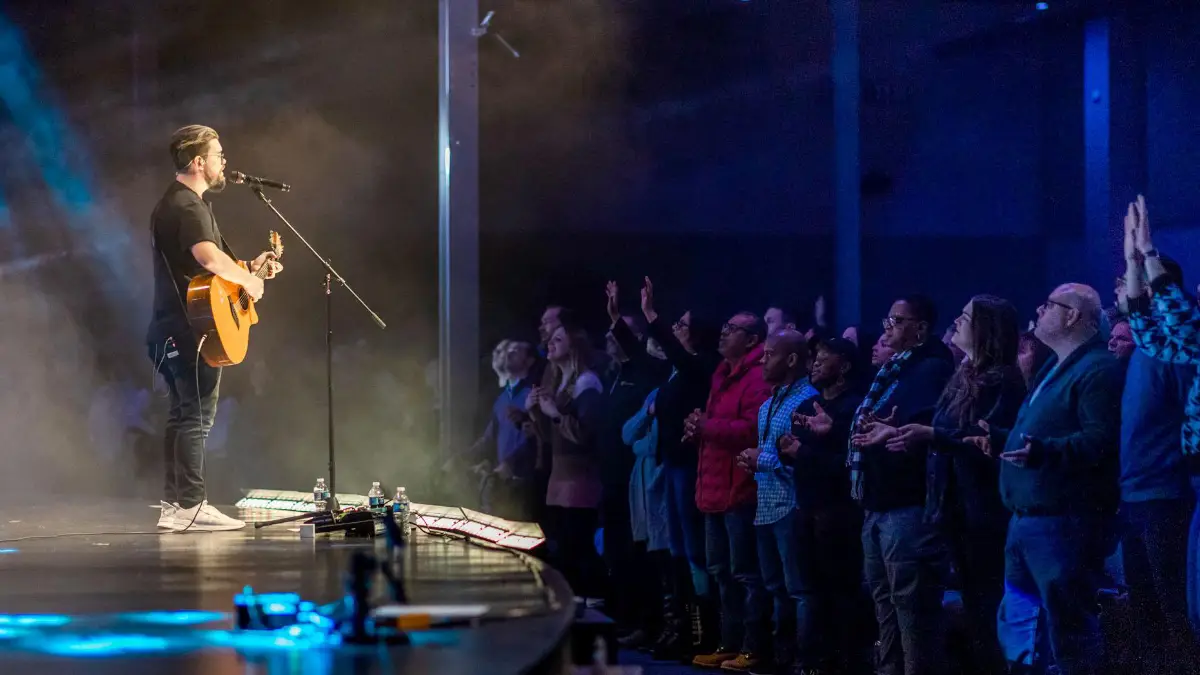
Learn how to create smooth worship song transitions using keys, dynamics, planning, and the Nashville Number System to lead engaging worship.
Why Worship Song Transitions Matter More Than You Think
Every worship leader has experienced it. The band finishes a powerful chorus, the room is engaged, and then… silence. Someone changes a capo. The drummer shuffles sheet music. The keyboard player searches for a patch. A guitarist asks, "What key are we in?" Within seconds, the atmosphere has changed. While transitions between songs might seem like a minor detail, they're one of the biggest factors in determining whether a worship set feels like a collection of songs or a single, intentional journey. Great transitions don't exist to impress musicians. They help remove distractions so people can stay focused on worship rather than noticing what's happening on stage. Whether your church has a full production team or just a guitarist and vocalist, thoughtful transitions can dramatically improve the worship experience.
"The best worship transitions are the ones no one notices. When the music flows naturally, the congregation stays focused on worship—not on what the band is doing next."
Think of Your Worship Set as One Continuous Story
Many worship leaders spend hours choosing songs that fit the sermon, yet only a few minutes thinking about how those songs connect together. Instead of viewing your service as five separate songs, imagine it as one continuous musical conversation. Each song should naturally prepare the congregation for the next. The emotional energy, lyrical themes, musical dynamics and keys all contribute to that flow. When these elements are planned well, the congregation rarely notices the transitions—they simply remain engaged.

Continue your article after the image. You can add as many sections, images, lists and quotes as you need.
The Simplest Transition Technique: Keep Songs in the Same Key
The easiest way to create a seamless transition is surprisingly simple. Whenever practical, keep consecutive songs in the same key. When two songs share the same tonal centre, your ears don't need to adjust. The final chord of one song naturally leads into the opening chord of the next. This doesn't mean every song should stay in one key all morning. Constantly hearing the same tonal centre can become repetitive. However, strategically grouping two songs in the same key often creates an effortless connection. Many modern worship songs can comfortably be transposed without affecting how they feel, especially when using software such as Planning Center, MultiTracks, OnSong or other digital chord chart platforms.
Understanding Compatible Keys
Eventually you'll need to change keys. The good news is that not every key change feels abrupt. Some keys naturally share most of the same notes, making the transition feel much smoother. For example:
Current Key
C
D
E
G
A
Smooth Transition Key
F
G
A
C
D
These relationships share six of the seven notes in the scale, allowing listeners to adjust almost subconsciously. The result is a musical change that feels intentional rather than unexpected. Even without an extensive understanding of music theory, recognising these key relationships can significantly improve your worship planning.
The Nashville Number System Makes Planning Easier
One of the greatest tools available to modern worship teams is the Nashville Number System. Rather than thinking in individual chord names, the Nashville Number System focuses on chord relationships within a key. Once you understand how chord numbers work, changing keys becomes much easier because every progression remains the same regardless of the key. More importantly, it helps worship leaders identify compatible keys when arranging a worship set. For example, moving from the I key to the IV key often creates one of the smoothest transitions available. If you're unfamiliar with the Nashville Number System, it's well worth learning. Even a basic understanding can transform the way your team rehearses, communicates and responds during spontaneous worship moments.
(For a complete guide, read our article on the Nashville Number System for Worship Teams.)
"Great worship transitions are almost invisible. They quietly remove distractions so people can stay focused on encountering God rather than watching the band prepare for the next song."
Use Instrumentation to Prepare the Congregation
Changing the instrument that introduces the next song is another effective technique. Instead of finishing a song with acoustic guitar and immediately beginning the next song on that same guitar, allow another instrument to introduce the new musical idea. For example:
- Piano introduces the next progression.
- Electric guitar plays an ambient melody.
- Keyboard creates a gentle swell.
- Acoustic guitar gradually joins.
- Full band enters together.
Because listeners hear a different sound, their ears naturally accept the new musical direction. This subtle change often disguises key changes while creating anticipation for the next song.
Pads Can Eliminate Dead Space
One of the biggest causes of awkward transitions is silence. Even five seconds of dead air can feel surprisingly long during a worship service. This is where worship pads have become an invaluable tool. Pads provide soft ambient sounds that continue underneath the transition, creating continuity while musicians prepare for the next song. They also gently establish the key before the band begins playing. Many churches now use pads through software such as MultiTracks Playback, Prime, Ableton Live or simple mobile apps. The goal isn't to create a concert atmosphere. It's simply to remove unnecessary gaps and keep the musical flow moving naturally.
Dynamics Matter Just as Much as Keys
Smooth transitions aren't only about music theory. Dynamics play an equally important role. Moving from a reflective song straight into an energetic opener can feel abrupt, even if both songs are in the same key. Instead, consider how the emotional energy develops throughout the set. Ask questions like:
- Should this next song begin quietly?
- Would an instrumental section help?
- Should the band build gradually?
- Is this the moment for spontaneous worship?
Planning dynamic changes allows the congregation to journey naturally through worship instead of feeling emotionally disconnected.
Prepare for Spontaneous Worship
One of the greatest strengths of experienced worship teams is their ability to respond in the moment. Sometimes the Holy Spirit leads beyond the original arrangement. Perhaps another chorus feels appropriate. Maybe a scripture is shared. Perhaps the worship leader senses it's time to transition into another song altogether. These moments become much easier when the team understands chord numbers rather than memorised chord names. Using the Nashville Number System allows musicians to communicate quickly. A simple instruction like "Go to the six minor," or "Stay on the four," is understood instantly by everyone. Rather than creating confusion, spontaneous worship becomes organised flexibility.
Rehearse the Transitions—Not Just the Songs
Many worship teams rehearse every verse and chorus but barely discuss the spaces between songs. Ironically, that's often where services become untidy. Spend rehearsal time asking:
- Who starts the next song?
- What instrument leads?
- Are we speaking?
- Is there a prayer?
- Does the drummer count in?
- Are we changing keys?
- Is the congregation singing continuously?
Practising these moments often improves the service more than rehearsing another chorus.
Common Transition Mistakes
Even experienced worship teams occasionally fall into these habits:
- Long periods of silence.
- Excessive talking between songs.
- Abrupt tempo changes.
- Random key changes.
- Musicians unsure who starts.
- Last-minute capo adjustments.
- Searching for charts during worship.
- Ending every song completely before starting the next.
Most of these problems aren't musical. They're planning problems.
Technology Can Help
Today's worship leaders have access to incredible planning tools. Many platforms allow you to:
- transpose songs instantly
- organise set lists
- display chord charts
- automate lyric changes
- run pads
- control backing tracks
- communicate arrangements with your band.
Used wisely, technology reduces distractions while giving musicians more confidence to lead well.
Small Churches Can Create Great Transitions Too
You don't need a full worship band to create meaningful transitions. Even a solo guitarist can:
- hold the final chord a little longer
- speak over gentle instrumental music
- move naturally into the next progression
- avoid unnecessary silence
- choose compatible song keys.
Great worship transitions come from intentional leadership rather than expensive equipment.
Final Thoughts
This article expands on many of the principles demonstrated in the video below. If you'd like to hear practical musical examples of these transition techniques in action, it's well worth watching.
Smooth worship transitions aren't about performance. They're about serving the congregation. Every transition either helps people remain engaged or unintentionally interrupts their focus. By planning compatible keys, understanding basic music theory, using the
a href="/blog/nashville-number-system-song-transitions.html">Nashville Number System, rehearsing transitions, and thinking intentionally about dynamics, worship leaders can create services that feel connected from beginning to end. The objective isn't perfection. It's removing unnecessary distractions so people can focus on the One we're gathered to worship. Even making one or two small improvements this Sunday could completely change how your worship set feels.
Watch the Original Demonstration
This article expands on many of the principles demonstrated in the video below. If you'd like to hear practical musical examples of these transition techniques in action, it's well worth watching.
Frequently Asked Questions
Do all worship songs need to be in the same key?
No. While keeping songs in the same key creates effortless transitions, varying keys throughout a worship set helps avoid listener fatigue. Choosing compatible keys often provides the best balance.
Is the Nashville Number System difficult to learn?
Not at all. Most musicians grasp the basics within a few rehearsals. Once understood, it makes transposing songs and communicating musical changes significantly easier.
Are worship pads essential?
No. Pads simply help reduce silence and establish the next key. Many churches create excellent transitions without them.
Should every worship transition include speaking?
No. Sometimes silence, prayer or instrumental music communicates more effectively than additional words.
How long should a transition last?
There's no perfect length. The goal is simply to maintain flow while allowing musicians enough time to prepare for the next song without creating unnecessary distractions.
Ready to Improve Your Worship Team?
Strong worship transitions don't happen by accident. Start by planning one better transition this week. Experiment with compatible keys, rehearse the handover between songs, and encourage your team to think about the entire worship journey—not just individual songs. Small improvements each Sunday quickly become second nature, helping your church experience more seamless, distraction-free worship.
Ready to build seamless worship sets?
Worship Flo matches songs by chord patterns, key, tempo and theme — so your sets flow effortlessly.
Get started free